Quick answer: Commercial concrete coatings are built for heavy traffic, chemical exposure, and large square footage, using thicker, more durable systems than residential floors. They prioritize fast cure times, safety compliance, and long-term wear resistance—demands a typical home garage floor never faces.
If you own or manage a commercial property, your floors take a beating every single day. Forklifts roll across warehouse slabs. Customers track in dirt and moisture. Machinery leaks oil and harsh chemicals. A residential coating simply won't survive that kind of punishment.
That's where the difference matters. The systems that protect a home garage look similar to commercial products on the surface, but they're engineered for completely different jobs. Understanding these distinctions helps you choose the right protection—and avoid costly redo work down the road.
In this post, we'll break down what separates commercial concrete coatings from residential systems, why it matters for your business, and how to pick the right solution for your property.
Key Takeaways
- Commercial concrete coatings are engineered for higher durability, faster cure times, and heavier traffic than residential systems, making them a smart long-term investment for businesses.
- Commercial installations require thicker coatings, professional surface prep, and compliance with safety standards like slip resistance—factors that don't apply to most home floors.
- For businesses in Arizona, working with a specialist in commercial concrete coatings Glendale AZ ensures your floors handle heat, heavy use, and industry demands.
What are commercial concrete coatings?
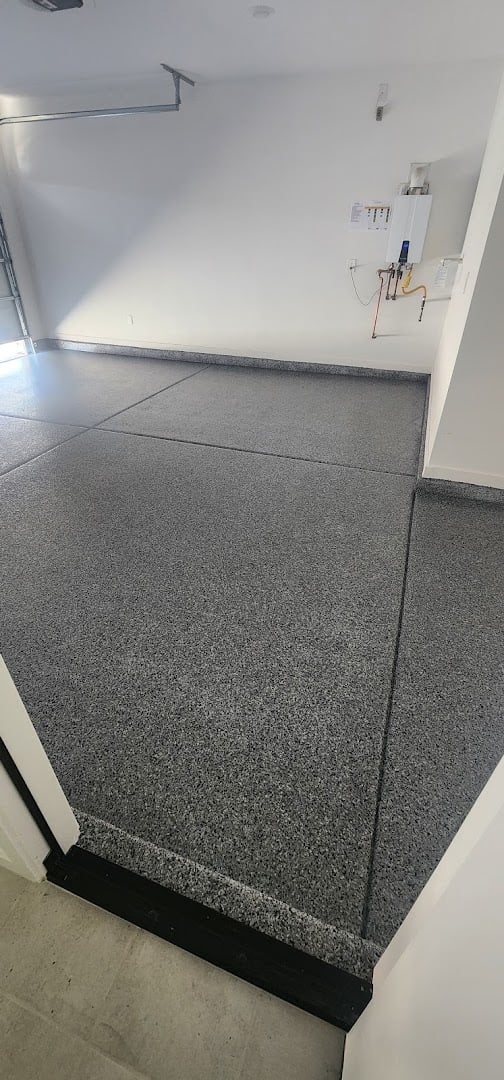
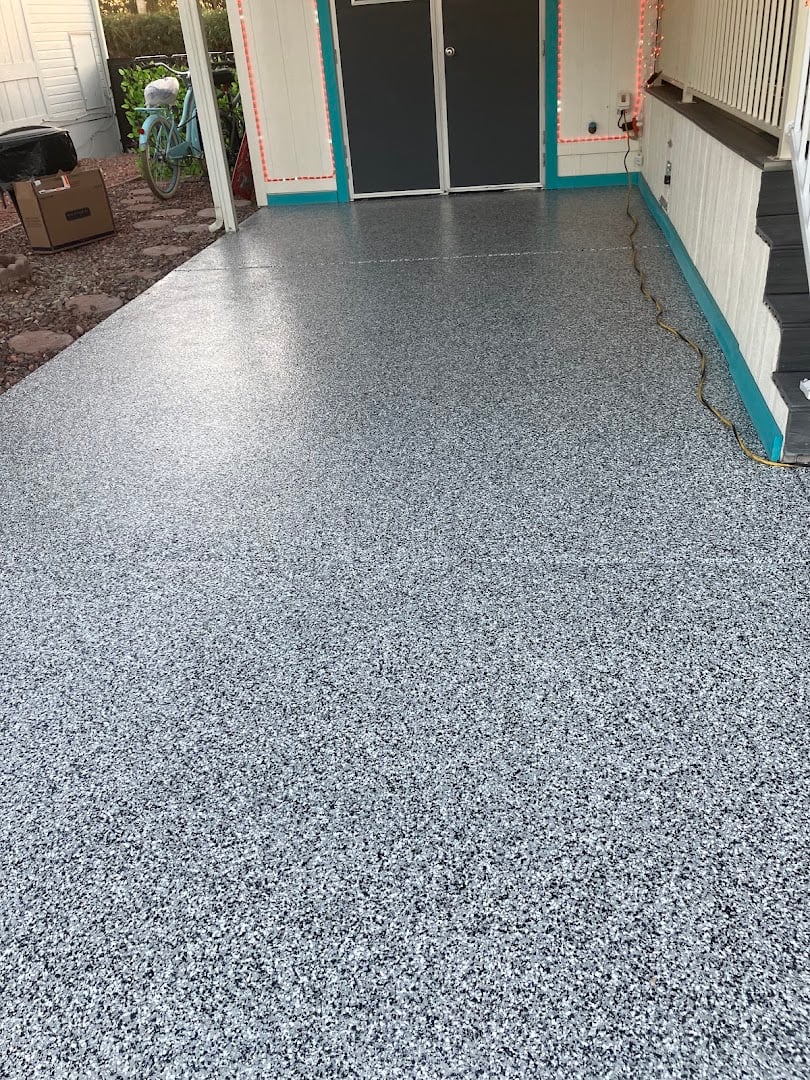
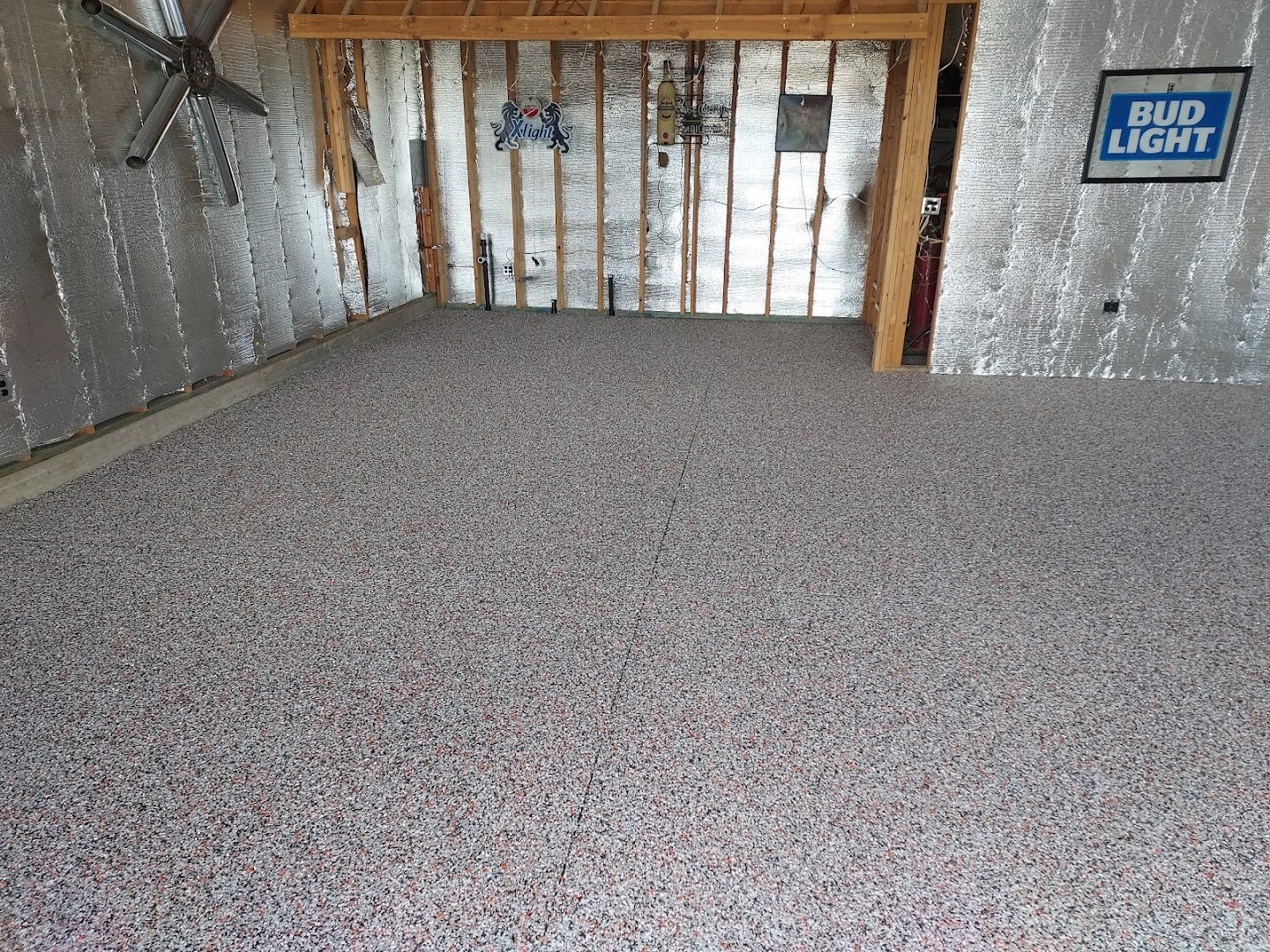
Commercial concrete coatings are protective floor systems applied to concrete surfaces in businesses, warehouses, retail spaces, and industrial facilities. They shield the concrete from wear, chemicals, moisture, and impact while improving safety and appearance.
Common types include epoxy, polyaspartic, and polyurethane systems. Each offers different benefits depending on the environment. Polyaspartic coatings, for example, cure quickly and resist UV yellowing, making them popular for spaces that can't afford long downtime.
Residential coatings do a similar job on a smaller scale. But the demands of a home garage or basement are far less intense than those of a busy commercial floor.
How do commercial coatings differ from residential systems?
The core difference comes down to performance under pressure. Commercial floors face challenges that home floors rarely encounter, so the coatings must be tougher in nearly every way.
Durability and thickness
Commercial coatings are applied in thicker layers to withstand constant traffic and heavy loads. A warehouse floor supporting pallet jacks and forklifts needs a much stronger surface than a garage where one or two cars park.
Residential systems often use thinner single-coat applications. Commercial jobs frequently layer multiple coats, including base coats, broadcast layers, and topcoats, for maximum strength.
Chemical and abrasion resistance
Businesses deal with spills that would ruin an ordinary floor—oils, solvents, cleaning agents, and acids. Commercial coatings are formulated to resist these chemicals without staining, peeling, or breaking down.
Homes rarely see that level of exposure. A residential coating that handles the occasional oil drip would fail fast in a manufacturing plant.
Cure time and downtime
Time is money for a business. Commercial installers often use fast-curing systems like polyaspartic coatings so a space can reopen within a day. Residential projects can usually afford a longer cure window since a homeowner isn't losing revenue while the floor sets.
Safety and compliance
Commercial floors must often meet slip-resistance standards and other safety codes, especially in spaces where employees and customers walk daily. Installers add anti-slip aggregates and select coatings that reduce workplace hazards. Residential coatings focus more on looks and basic protection.
Why does the difference matter for your business?
Choosing a residential-grade product for a commercial space is one of the most common—and expensive—mistakes property owners make. A cheaper coating might look fine at first, but it can crack, peel, or wear through within months under commercial use.
That means repeated repairs, business interruptions, and safety risks. Investing in a proper commercial system upfront saves money over the long run and protects your operation from downtime.
The right coating also boosts your property's professional appearance. Clean, glossy, well-maintained floors make a strong impression on customers, clients, and inspectors alike.
Which type of commercial coating is right for your property?
The best system depends on how you use your space. Here's a simple way to think about it:
- Choose polyaspartic if fast installation and minimal downtime matter most—ideal for retail stores and busy facilities.
- Choose epoxy if you need a budget-friendly, durable option for warehouses or industrial floors with steady traffic.
- Choose polyurethane topcoats if UV stability and extra abrasion resistance are priorities, often layered over epoxy for added protection.
A professional installer can assess your traffic levels, chemical exposure, and downtime tolerance to recommend the right match. This is especially valuable in demanding climates, where heat and sun exposure affect coating performance.
Why does location matter for commercial coatings in Arizona?
Arizona's intense heat and UV exposure put extra stress on floor coatings, especially in facilities with open bay doors or outdoor-adjacent areas. Coatings that yellow or soften under high temperatures won't last.
That's why partnering with a local expert in commercial concrete coatings Glendale AZ makes a real difference. A company like Cardinal Concrete Coatings understands the regional climate and selects systems built to handle Arizona conditions—delivering floors that stay durable and attractive for years.
Protect your commercial floors the right way
Commercial and residential concrete coatings may look alike, but they're built for very different worlds. Commercial systems deliver the durability, chemical resistance, safety features, and fast cure times that businesses depend on. Cutting corners with a residential product almost always costs more in the long run.
If you manage a commercial property, invest in a system designed for the demands you actually face. Reach out to Cardinal Concrete Coatings to learn which commercial coating fits your space, your budget, and your timeline.
Frequently asked questions
How long do commercial concrete coatings last?
With proper installation and maintenance, quality commercial coatings can last 10 to 20 years or more. Lifespan depends on traffic levels, chemical exposure, and the type of coating used.
Are commercial concrete coatings worth the cost?
Yes, for most businesses. While commercial systems cost more upfront than residential products, they resist wear and damage far longer, reducing repairs and downtime. This makes them a cost-effective choice over time.
How long does it take to install commercial concrete coatings?
It varies by system and space size. Fast-curing options like polyaspartic can be installed and ready for use within a day, while epoxy systems may need several days to fully cure.
Can I use a residential coating in my commercial space?
It's not recommended. Residential coatings aren't built to handle heavy traffic, chemical spills, or safety compliance needs. They typically wear out quickly in commercial settings, leading to costly repairs.